

When You Should See a Family Doctor in Fort Lauderdale, FL

Reviewed By: Guerlyne Desir, FNP-BC

You wake up with a mild headache. Your child has a low fever. You feel tired, but you push through your day. It seems small, so you ignore it. A week later, the symptoms are still there. Now you’re wondering if you waited too long.
This happens more often than people admit. Many delay care because they are unsure when to see a family doctor in Fort Lauderdale, FL. The result? Small issues can become larger medical problems that could have been handled early.
A family doctor helps you catch problems before they grow. They provide continuous, reliable care for people of all ages, from newborns to seniors. In a place like Fort Lauderdale, where heat, humidity, and allergens affect your health, having a trusted primary care provider matters more than you think.
At Manor Pediatric & General Medicine, your care is personal. The team focuses on prevention, early diagnosis, and treatment that fits your lifestyle. You don’t just get a quick visit. You get a long-term partner in your health care.
📋What You’ll Learn From This Article
By the end of this article, you’ll have a clear understanding of how to take better control of your health and when to seek care. Here’s what you can expect:
- When to see a family doctor for routine visits, sick care, and ongoing health concerns.
- The difference between
preventive care and treatment, and why both matter.
- How a
family physician provides care for people of all ages, from newborns to seniors.
- Key signs and symptoms that should never be ignored, including when care becomes urgent.
- What to expect during
annual exams, screenings, and vaccinations.
- How family medicine doctors help with
chronic condition management like diabetes and high blood pressure.
- The role of a primary care provider in
mental health and emotional well-being.
- When to visit your doctor versus urgent care or the emergency room.
- How to choose the right
family practice in Fort Lauderdale, FL for your needs.
- Why building a long-term relationship with your doctor improves your overall health outcomes.
This guide is designed to give you practical, real-world insight so you can make confident decisions about your health care.
What Does a Family Doctor Do? (Scope of Care Explained)

A lot of people think a doctor visit is only for when you're sick. That’s not how family medicine works. Your doctor helps manage your health before, during, and after illness.
Comprehensive Care for All Ages
A family physician is trained to care for patients at every stage of life. That means one provider can treat your child, you, and even your parents.
Here’s what that looks like in real life:
- Newborn check-ups and vaccinations
- School-age exams and sports physicals
- Adult preventive care and chronic disease management
- Senior care for aging-related conditions
This kind of continuous care builds trust. Your doctor understands your history, your habits, and your risks. According to the American Academy of Family Physicians, consistent primary care improves outcomes and lowers hospital visits.
Preventive vs. Reactive Care
You don’t need to wait for symptoms to show up. Preventive care helps you stay ahead.
Your doctor will:
- Perform routine exams and screenings
- Recommend vaccines
- Monitor early signs of disease
Reactive care still matters. When you have an infection, injury, or sudden illness, your doctor can diagnose and treat it quickly. The goal is balance. Prevention keeps you healthy, and treatment gets you back on track.
Coordinating Your Overall Healthcare
Healthcare can get confusing fast. You might see multiple specialists, take different medications, or deal with ongoing conditions.
Your primary care physician helps coordinate everything:
- Refers you to the right specialist
- Keeps track of your medical history
- Adjusts medications safely
Think of your doctor as your central hub. They make sure nothing slips through the cracks.
Routine Preventive Care: When You Should Schedule Regular Visits

You don’t need to feel sick to book an appointment. In fact, some of the most important visits happen when you feel fine.
Annual Physical Exams
A yearly physical exam helps detect early signs of disease. Many conditions, like high blood pressure or diabetes, don’t show symptoms at first.
During your visit, your doctor may:
- Check vital signs
- Review your lifestyle
- Order lab tests
- Perform a full examination
The CDC recommends regular preventive care to reduce long-term health risks.
Vaccinations and Immunizations
Vaccines protect you and your family. They are not just for kids.
Common vaccines include:
- Flu shot every year
- COVID-19 updates
- Tetanus boosters
- Childhood immunizations
Staying up to date helps prevent serious infections and protects your community.
Screenings and Health Monitoring
Screenings catch problems early when treatment works best.
| Screening Type | Who Needs It | Why It Matters |
|---|---|---|
| Blood Pressure | Adults | Detects hypertension early |
| Cholesterol | Adults over 20 | Reduces heart disease risk |
| Diabetes Screening | At-risk individuals | Prevents complications |
| Cancer Screenings | Age-based | Early detection saves lives |
| Bone Density | Seniors, especially women | Prevents fractures |
Early screening improves survival rates.
Acute Illnesses: When Immediate Care Is Needed
Sometimes you just feel off, and it doesn’t go away. That’s when you should act.
Common Short-Term Conditions
See your doctor if you have:
- Fever lasting more than a few days
- Persistent cough
- Skin infections
- Minor injuries that don’t heal
Don’t wait if symptoms worsen. Early treatment prevents complications.
Pediatric Sick Visits
Kids can change quickly. A mild symptom in the morning can turn serious by evening.
Watch for:
- High fever
- Trouble breathing
- Dehydration
- Unusual behavior
Your family doctor or pediatrician understands how to treat children safely and effectively.
Same-Day or Urgent Appointments
Not every issue needs the emergency room.
- Visit your family practice for non-life-threatening issues
- Use urgent care after hours
- Go to the ER for serious emergencies like chest pain or severe injury
Choosing the right setting saves time and reduces unnecessary costs.
Chronic Condition Management: Ongoing Medical Support

Living with a chronic condition takes more than a one-time visit. It requires ongoing care and attention.
Common Chronic Conditions Treated
Family medicine doctors treat:
- Diabetes
- High blood pressure
- Asthma
- Allergies
They also manage pediatric conditions and long-term illnesses.
Importance of Regular Monitoring
You need regular check-ins to stay on track.
Your doctor will:
- Adjust medications
- Monitor lab results
- Guide lifestyle changes
Consistent management reduces further complications.
Personalized Care Plans
Your treatment should fit your life. Not the other way around.
Your doctor considers:
- Your daily routine
- Your medical history
- Your risk factors
This personal approach improves results and helps you stay consistent.
Life Transitions and Specialized Care Needs
Your health needs change as you grow. Your doctor helps you through each stage.
Pediatric Milestones and Developmental Check-Ups
Children need regular visits to track development.
Doctors check:
- Growth and weight
- Speech and motor skills
- Social development
They also perform school and sports physicals to ensure safety.
Adolescent and Young Adult Health
Teens deal with physical and emotional changes. It can get confusing, honestly.
Doctors provide:
- Guidance on mental health
- Support for lifestyle choices
- Preventive screenings
This stage builds the foundation for adult health.
Adult and Senior Care
As you age, risks increase.
Your doctor focuses on:
- Preventing disease
- Managing chronic conditions
- Supporting independence
Mental and Emotional Health: When to Seek Support
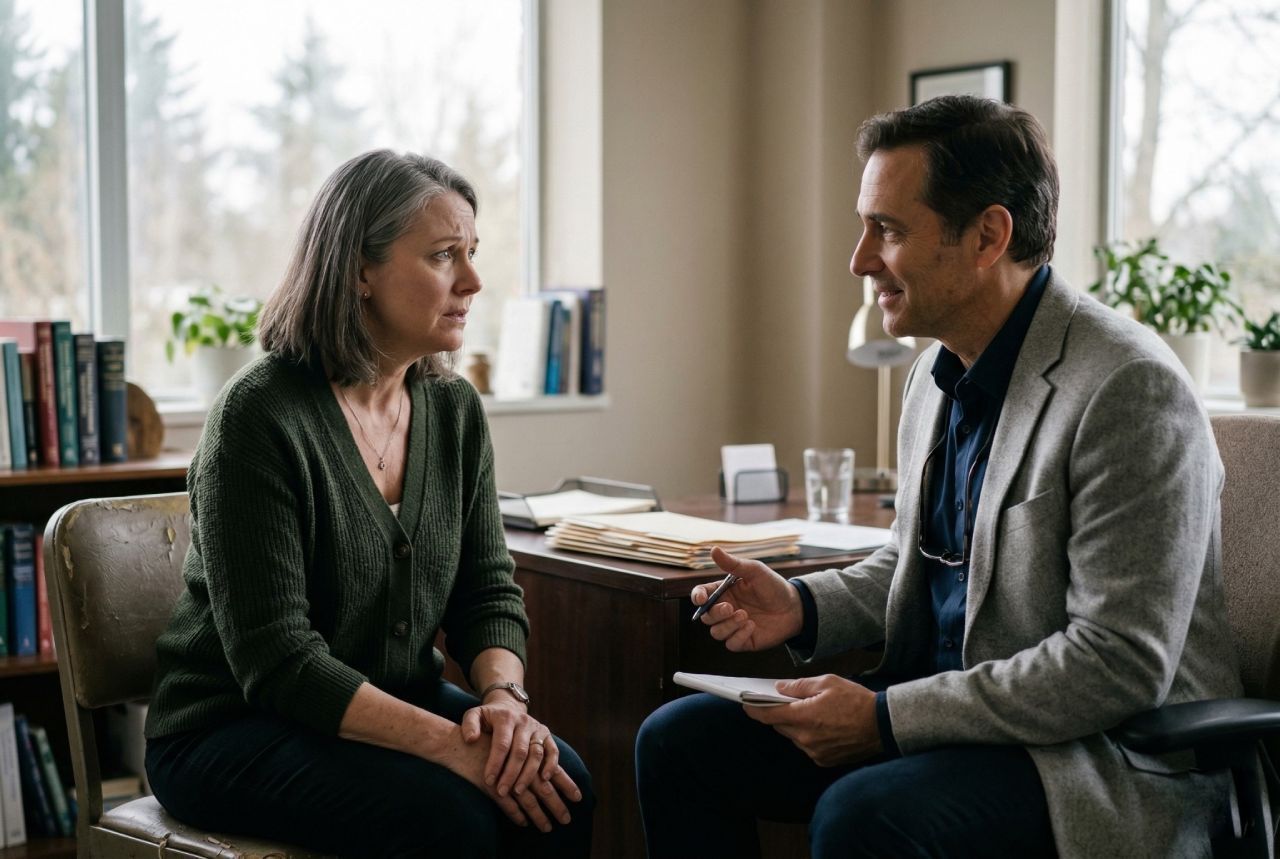
Mental health often gets ignored. It shouldn’t.
Recognizing Mental Health Symptoms
Pay attention to:
- Anxiety
- Depression
- Sleep issues
- Mood changes
These are real medical concerns, not just “bad days.”
Role of a Family Doctor in Mental Health
Your doctor can:
- Assess symptoms
- Start treatment
- Prescribe medication if needed
Family-Centered Approach to Emotional Well-Being
Mental health affects the whole family. Your doctor supports everyone, not just one person.
Women’s and Men’s Health Services
Men and women have different health needs. Your doctor addresses both.
Women’s Health Needs
Services include:
- Pap smears
- Pelvic exams
- Preventive screenings
These visits help detect issues early.
Men’s Health Concerns
Men often delay care. That’s a problem.
Important screenings include:
- Heart health checks
- Prostate exams
- Blood pressure monitoring
Preventive Care for Gender-Specific Conditions
Routine care helps prevent serious disease. Early detection makes treatment easier and more effective.
When You’re New to Fort Lauderdale or Need a Primary Care Provider
Moving or switching doctors can feel like a hassle. Still, it’s worth doing right.
Establishing Care with a Family Doctor
Don’t wait until you’re sick. Set up care early so your doctor knows your history.
This helps with:
- Faster diagnosis
- Better treatment
- Easier appointment scheduling
What to Look for in a Family Practice
Look for:
- Experience and proper training
- Wide range of services
- Good communication
You want someone who listens, not rushes you out the door.
Benefits of Choosing Manor Pediatric & General Medicine
At Manor Pediatric & General Medicine, you get:
- Care for people of all ages
- A supportive, family-friendly setting
- Comprehensive services in one place
Warning Signs You Should Not Ignore (Red Flags)
Some symptoms need attention right away. No guessing.
Symptoms That Require Prompt Medical Attention
Watch for:
- Severe or ongoing pain
- High fever
- Sudden weight loss
These could signal serious conditions.
Changes in Children’s Behavior or Health
Parents usually notice when something feels off.
Look for:
- Appetite changes
- Delayed development
- Low energy
Trust your instincts.
Preventing Minor Issues from Becoming Major Problems
Small problems grow when ignored. Early care makes a big difference.
How Often Should You Visit a Family Doctor? (Practical Guidelines)
You might be wondering how often you actually need to go.
General guide:
- Children: several visits per year
- Healthy adults: once a year
- Chronic conditions: more often
Your doctor will adjust your schedule based on your health and risk factors.
Why Local, Personalized Care Matters in Fort Lauderdale
Living in Fort Lauderdale comes with specific health concerns.
You deal with:
- Heat-related illness
- Allergies
- Skin conditions from sun exposure
A local family medicine physician understands these risks and adjusts your care plan.
Also, having a nearby provider makes it easier to stay consistent with appointments. That consistency matters more than people think.
Conclusion - Take Control of Your Health Before Problems Start
You don’t need to wait until something feels serious. That’s the main takeaway.
Seeing a family doctor in Fort Lauderdale, FL helps you stay ahead of illness, manage chronic conditions, and keep your family healthy. It’s not just about treatment. It’s about long-term care that actually works.
At Manor Pediatric & General Medicine, you get care that feels personal, not rushed. Whether it’s a routine exam, a sick visit, or ongoing management, you have a team ready to help you every step of the way.
Schedule a consultation today and take the first step toward better health for you and your family. Your future self will thank you for not putting it off.
Guerlyne Desir, FNP-BC
Guerlyne Desir, FNP-BC, is a board-certified Family Nurse Practitioner at Manor Plaza Pediatric & General Medicine in Fort Lauderdale, FL. She provides compassionate care for children, adults, and families, with a focus on preventive health, routine checkups, and accessible primary care. She is licensed in Florida as an Advanced Practice Registered Nurse and holds Family Nurse Practitioner certifications through AANP and ANCC.