

Anxiety Therapy in Fort Lauderdale, FL: 7 Ways to Calm Your Mind

Reviewed By: Guerlyne Desir, FNP-BC
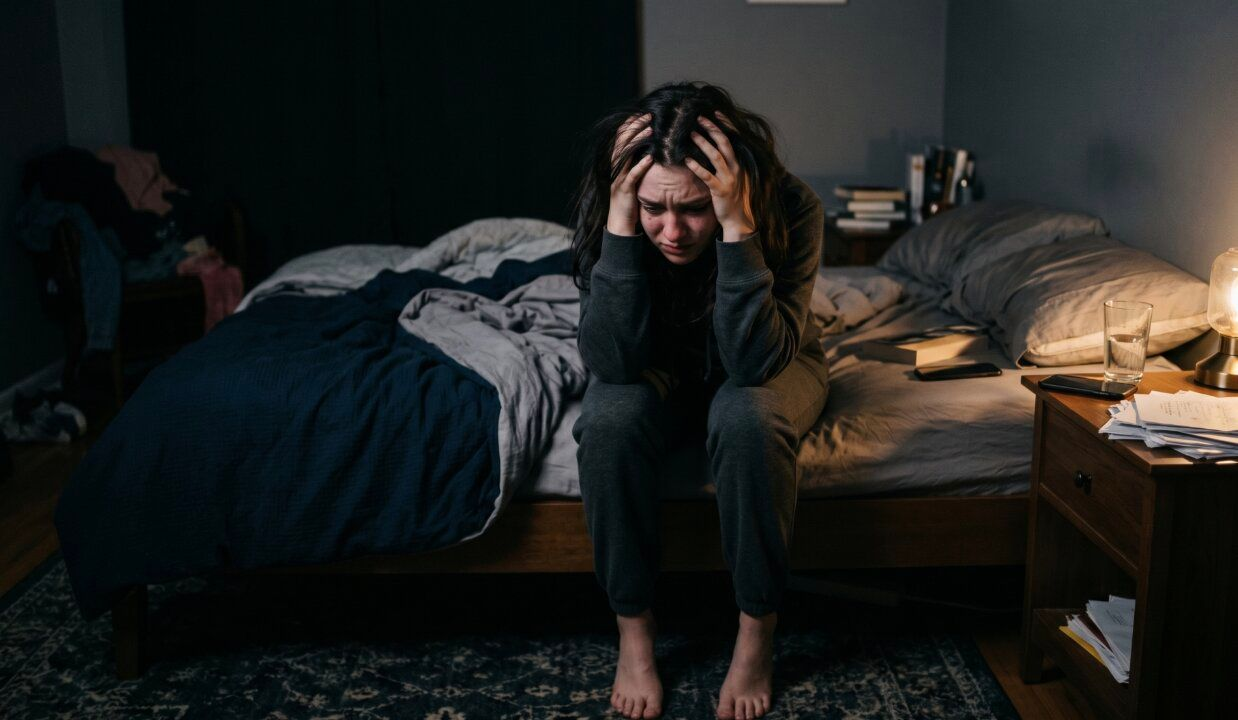
Imagine going about your day, when suddenly, an overwhelming sense of dread takes over. Your heart races, your mind floods with negative thoughts, and you start to feel trapped in your own body. Anxiety can hit like this, out of nowhere, and it can feel like you're powerless to stop it. If you're experiencing this, you're not alone.
Anxiety disorders affect millions of people, both adults and children, and the impact can be life-changing. The good news is that you don’t have to face anxiety alone.
If you're feeling anxious and wondering how to reduce anxiety, help is available. From cognitive behavioral therapy (CBT) to mindfulness techniques, there are multiple strategies designed to manage anxiety effectively. At Manor Plaza Pediatric & General Medicine, we’re committed to providing evidence-based care that helps you regain control of your mental health.
📋What You’ll Learn from This Article
- What causes anxiety and how it affects your life
- Effective therapy options available in Fort Lauderdale, FL
- 7 proven ways to reduce anxiety on a daily basis
- How anxiety therapy can improve your mental and physical health
- How to choose the right therapist for your anxiety treatment
- The role of family and support systems in managing anxiety
What Causes Anxiety? Identifying Triggers
Anxiety doesn’t have a single cause. It’s a complex condition that can be triggered by several factors. It’s crucial to understand what contributes to your anxiety in order to manage it effectively.
Genetic Factors: How Family History Can Influence Anxiety
Anxiety disorders can run in families. Research suggests that certain genetic factors may predispose individuals to anxiety, making them more sensitive to stress. If a close family member suffers from anxiety or related disorders, your chances of developing anxiety are higher. However, this doesn’t mean anxiety is inevitable; environmental factors also play a significant role.
Environmental Factors: Stressful Life Events and Trauma
Life experiences, especially traumatic ones, are major contributors to anxiety. Stressful events like losing a loved one, going through a divorce, or being exposed to violence can trigger or worsen anxiety disorders. Additionally, childhood experiences like neglect or abuse can lay the foundation for anxiety in adulthood.
Physiological Factors: The Brain and Body’s Response to Anxiety
When you feel anxious, your brain triggers a fight-or-flight response that floods your body with adrenaline and cortisol. This can result in physical symptoms like a racing heart, shallow breathing, and muscle tension. Over time, this stress response can become overactive, making it harder to manage anxiety and fear.
The Role of Chronic Stress in Triggering Anxiety Disorders
Chronic stress is one of the leading causes of anxiety. Constantly feeling overwhelmed by work, financial pressures, or family issues can increase your vulnerability to anxiety disorders. Managing stress effectively is key to preventing anxiety from becoming a long-term problem.
A study published in the Journal of Neuroscience (2017) found that long-term stress alters brain areas responsible for regulating emotions, like the prefrontal cortex and amygdala. This makes it harder to cope with stress and raises the risk of developing anxiety disorders.
The Connection Between Anxiety and Physical Health
Anxiety doesn’t just affect your mind; it impacts your body too. Understanding how anxiety manifests physically can help you take action early and manage the symptoms more effectively.
How Anxiety Manifests Physically: Symptoms Like Headaches, Muscle Tension, and Fatigue
When anxiety takes hold, it’s common to experience physical symptoms such as headaches, muscle tightness, fatigue, and stomach issues. These symptoms arise because anxiety activates the body’s stress response, which is meant to protect you in dangerous situations but becomes problematic when it’s triggered too often.
The Long-Term Effects of Untreated Anxiety on Overall Health
If left untreated, anxiety can have long-term effects on your physical health. Chronic anxiety increases the risk of high blood pressure, heart disease, and digestive problems. It can also lead to sleep disorders and a weakened immune system. Addressing anxiety early can prevent these complications.
The Importance of Managing Anxiety to Prevent Further Health Issues
Managing anxiety is essential for maintaining overall health. When you actively work to reduce anxiety through therapy, exercise, and relaxation techniques, you not only feel better mentally but also improve your physical well-being.
Connection to Pediatric Health: How Anxiety Affects Children’s Development
For children, anxiety can significantly disrupt their emotional and social development. Children with anxiety may struggle in school, have difficulty making friends, and experience physical symptoms like stomachaches or fatigue. Early intervention with anxiety therapy can help children learn to manage their feelings and avoid long-term developmental issues.
Anxiety Therapy Options Available in Fort Lauderdale, FL

There are many therapy options available to help manage anxiety, and in Fort Lauderdale, you’ll find a variety of evidence-based treatments.
Cognitive Behavioral Therapy (CBT): An Evidence-Based Approach
CBT is widely regarded as one of the most effective treatments for anxiety disorders. It focuses on identifying and changing negative thought patterns that contribute to anxiety. By learning to challenge these thoughts and replace them with healthier perspectives, patients can reduce anxiety and improve their mental health.
Exposure Therapy: Gradual Exposure to Anxiety-Inducing Situations
Exposure therapy involves gradually confronting the situations that trigger anxiety, allowing patients to desensitize themselves over time. This therapy is especially effective for specific phobias or social anxiety disorder. Through repeated exposure in a safe, controlled environment, individuals can learn to face their fears without becoming overwhelmed.
Medication: When Therapy Isn’t Enough
While therapy is highly effective, some people may benefit from medication to manage anxiety symptoms. Antidepressants and anti-anxiety medications can help regulate the brain’s chemical responses, providing relief from symptoms like excessive worry or panic attacks. A health professional can help determine whether medication is right for you.
Family Therapy: Helping Families Support a Loved One’s Mental Health
For many, anxiety affects not just the individual but the whole family. Family therapy can provide valuable support for loved ones, teaching them how to best help someone struggling with anxiety. It can improve communication, reduce conflict, and foster a more supportive environment.
7 Effective Ways to Calm Your Mind
There are simple, everyday practices you can incorporate into your routine to reduce anxiety and calm your mind.
1. Mindfulness and Meditation: How to Practice Mindfulness Daily to Reduce Anxiety
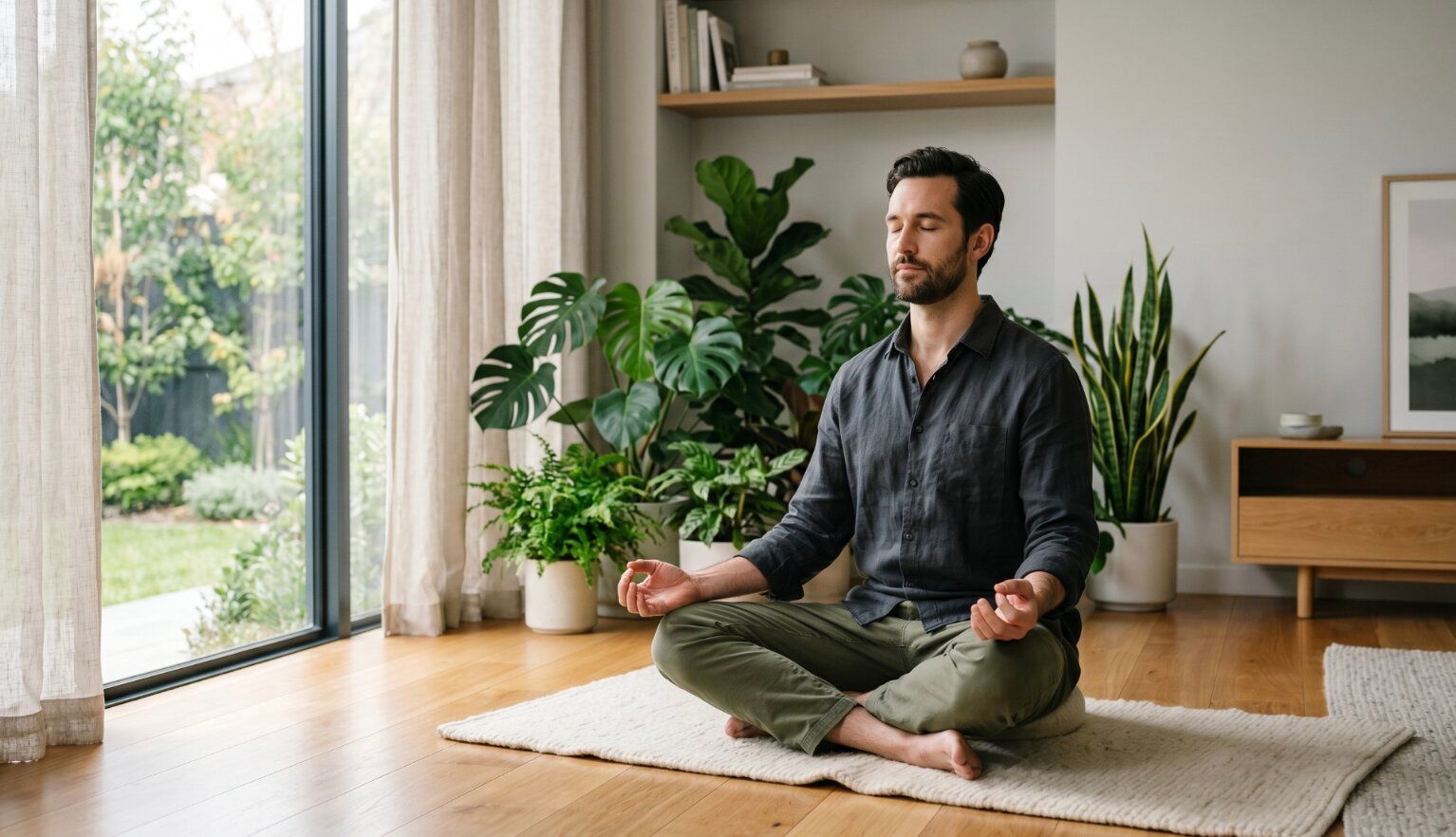
Mindfulness is the practice of focusing on the present moment without judgment. Mindfulness meditation can help reduce anxiety by encouraging you to observe your thoughts without getting caught up in them. This technique can be used anywhere, whether you’re at home, work, or even in the middle of a stressful situation.
2. Breathing Exercises: Simple Techniques to Calm the Body and Mind

Breathing exercises are one of the fastest ways to calm your mind when anxiety strikes. Try deep breathing or the 4-7-8 technique to slow your heart rate and reduce stress. Deep, controlled breaths send signals to your brain to relax, counteracting the fight-or-flight response.
3. Physical Activity: How Exercise Helps to Reduce Anxiety

Exercise is a natural anxiety reliever. Physical activity increases endorphins, which are the body’s natural mood boosters. Whether it’s a walk, a yoga session, or a workout, regular exercise helps lower stress hormones like cortisol, which can help you manage anxiety better.
4. Healthy Sleep Habits: The Importance of Sleep in Managing Anxiety

Sleep and anxiety are closely linked. Poor sleep can exacerbate anxiety, while anxiety can make it hard to sleep. Developing good sleep habits, such as going to bed at the same time every night and creating a relaxing bedtime routine, can help improve both your mental and physical health.
5. Diet and Nutrition: Foods that Help Calm Your Mind

What you eat can directly impact your mental health. A diet rich in omega-3 fatty acids, antioxidants, and magnesium helps balance brain chemistry and can reduce symptoms of anxiety and depression.
Foods such as salmon, leafy greens, and nuts are great choices for supporting brain health. Maintaining a balanced diet not only helps calm your mind but also provides the energy and mental clarity needed to manage anxiety more effectively.
6. Building Support Networks: The Role of Friends and Family in Managing Anxiety

Building a strong support network is essential for managing anxiety. Engaging with friends, family, or support groups gives you a safe space to share your feelings and seek encouragement.
When you feel understood and supported, it can reduce feelings of isolation and help you manage anxious thoughts. Surrounding yourself with positive, understanding individuals fosters emotional resilience and helps you feel less overwhelmed by anxiety.
7. Journaling and Cognitive Techniques: Writing to Express Emotions and Challenge Negative Thoughts

Journaling is a powerful way to process emotions and clear your mind. Writing down your thoughts can help you externalize your feelings, challenge negative thought patterns, and gain a sense of perspective.
Cognitive techniques, such as reframing negative thoughts, are also highly effective for managing anxiety. By acknowledging and questioning the accuracy of your anxious thoughts, you can break free from the cycle of worry and begin to approach your concerns more rationally.
FAQs
1. What Are the Most Common Symptoms of Anxiety?
Symptoms of anxiety can include constant worry, restlessness, difficulty concentrating, sleep problems, and physical symptoms like a racing heart or stomach issues. It’s important to recognize these signs early to seek the appropriate treatment.
2. How Do I Know If My Child Is Struggling With Anxiety?
Children may show signs of anxiety through physical symptoms like stomachaches or headaches, changes in behavior, or avoidance of social situations. If you notice these signs, it’s important to consult a healthcare provider for an evaluation.
3. Is Anxiety Therapy Effective for Everyone?
Yes, therapy is highly effective for most people with anxiety disorders. However, finding the right type of therapy and therapist is key. Cognitive behavioral therapy (CBT) and exposure therapy have been shown to be especially effective in treating anxiety.
4. How Long Does Anxiety Therapy Typically Take?
The length of therapy depends on the individual and the severity of their anxiety. Some people may see improvement in a few weeks, while others may need months of therapy. Consistency and commitment to the process are essential for long-term success.
5. Can Anxiety Be Completely Cured, or Is It a Lifelong Condition?
Anxiety may not always be "cured," but it can be managed effectively. With the right treatment, many people can lead a fulfilling life without being overwhelmed by anxiety. Therapy and lifestyle changes can significantly reduce anxiety symptoms over time.
Final Words - Finding Peace of Mind and Moving Forward
Anxiety doesn’t have to control your life. With the right strategies, therapies, and support, it is possible to manage anxiety and lead a more peaceful, fulfilling life. If you're ready to take the first step toward managing your anxiety, Manor Plaza Pediatric & General Medicine is here to help. Schedule an appointment today to learn more about anxiety therapy and how we can support you on your journey to better mental health.
By following these structured and actionable steps, you can learn how to better manage your anxiety and work towards a healthier, happier life. Whether through therapy, self-care techniques, or support systems, you don’t have to face anxiety alone.
Guerlyne Desir, FNP-BC
Guerlyne Desir, FNP-BC, is a board-certified Family Nurse Practitioner at Manor Plaza Pediatric & General Medicine in Fort Lauderdale, FL. She provides compassionate care for children, adults, and families, with a focus on preventive health, routine checkups, and accessible primary care. She is licensed in Florida as an Advanced Practice Registered Nurse and holds Family Nurse Practitioner certifications through AANP and ANCC.