

Immigration Health Exams in Fort Lauderdale: What to Expect

Reviewed By: Guerlyne Desir, FNP-BC

Immigration paperwork often moves forward smoothly until one requirement causes confusion. The immigration medical examination. Many people pause at this step because they do not know what the exam includes, who performs it, or whether it can affect their visa or residency application.
The reality is simple. An immigration medical exam is a standard health screening. It exists to protect public health, verify required vaccination, and identify certain medical conditions that need care. The exam is not meant to delay your case or report you. It follows clear medical guidelines.
This guide explains exactly what happens during an immigration medical exam, what doctors check, how results are handled, and what families and children should expect. You will also learn how your medical information stays private and what steps come next if further testing is needed.
What Is an Immigration Health Exam?
An immigration health exam is a standardized medical examination conducted as part of an immigration or visa process. Governments require it to reduce the spread of communicable diseases and ensure access to preventive health services.
Definition and purpose of the exam
The exam follows official technical instructions issued by public health authorities. A qualified health care provider or panel physician completes the evaluation. The focus stays narrow. It checks for conditions that could pose a public health risk and verifies required immunizations.
This approach aligns with guidance from organizations such as the Centers for Disease Control and Prevention and national public health services, which emphasize prevention and early treatment.
Who typically needs an immigration medical exam
You may need an exam if you are applying for:
- A long-term visa or residence permit
- Permanent resident or lawful permanent status
- Refugee or asylum-based protection
- Family reunification programs
Children, adults, refugees, and migrants all undergo exams. The scope changes based on age, medical history, and immigration category.
Who sets the requirements
Immigration health requirements come from government immigration authorities and public health agencies. Some exams are conducted by a panel physician abroad, while others are completed locally by approved medical providers.
What Doctors Check During an Immigration Medical Exam
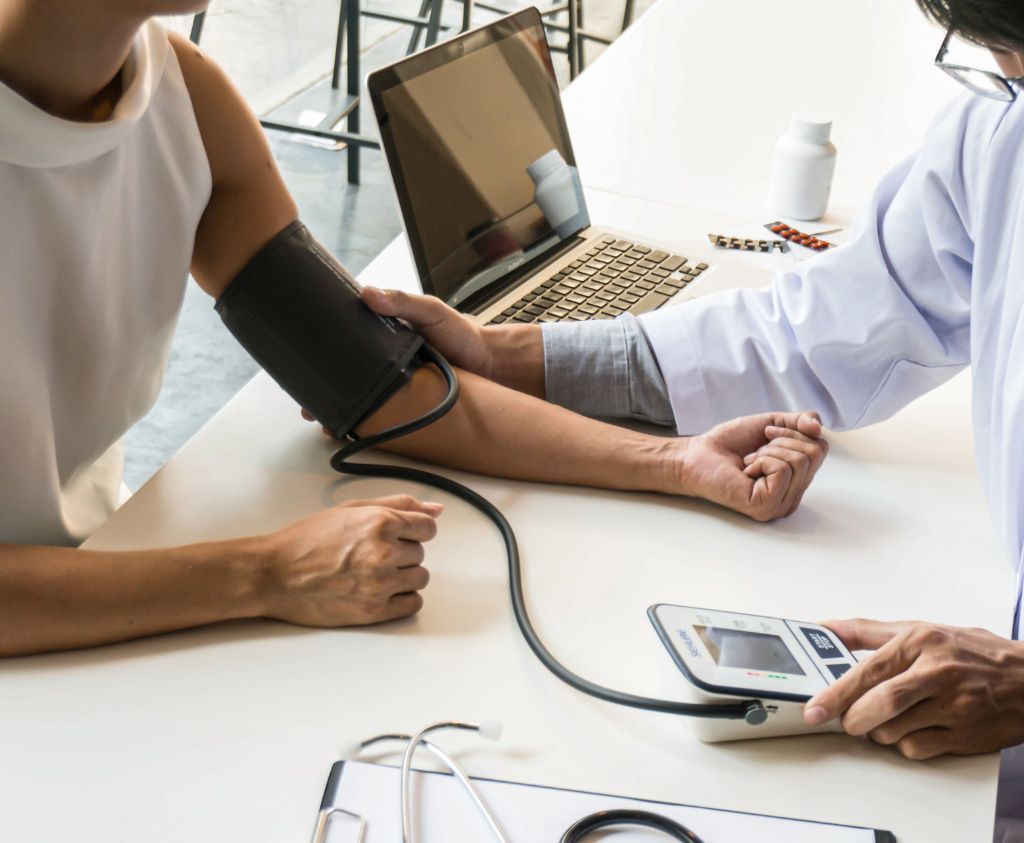
The exam follows a defined checklist. Nothing is added without reason.
General physical examination
The provider begins with your medical history. You discuss past illnesses, surgeries, medications, and chronic conditions. Then the exam includes:
- Height and weight
- Blood pressure and vital signs
- Heart and lung exam
- Abdominal and skin assessment
This helps identify conditions that may need care, not automatic disqualification.
Vaccination assessment
Vaccination review is central to immigrant health screening. Requirements depend on age and public health guidance.
Common vaccines reviewed include:
- Measles, mumps, rubella
- Tetanus and diphtheria
- Influenza, when seasonal
- Other age-appropriate vaccines
If records are missing, the provider may safely administer vaccines during the visit.
Communicable disease screening
Screening focuses on diseases linked to public health service concerns:
- Tuberculosis testing
- Blood tests for specific infections, when required
Early detection protects both individuals and communities.
Mental and developmental health review
The exam includes a brief mental health screen. This is not a full psychiatric evaluation. It checks for conditions that may affect safety or require follow-up care. Children receive developmental assessments based on age.
How Immigration Health Exams Are Scheduled
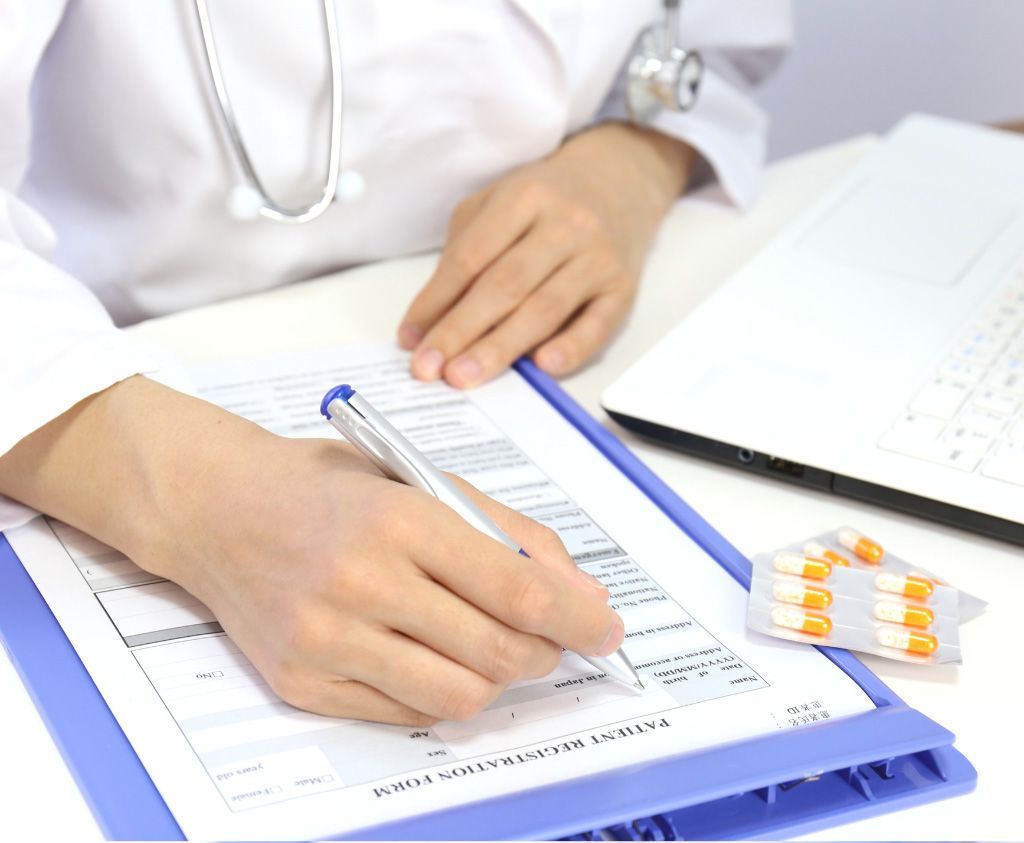
Understanding the process prevents delays.
Who schedules the exam
You are responsible for scheduling the exam according to immigration instructions. Immigration agencies do not choose the clinic for you.
When timing matters
Immigration medical exams have a validity window. Completing the exam too early or too late can cause repeat testing. Many applicants schedule once paperwork is ready.
Choosing the right medical provider
Look for medical providers who:
- Follow official technical instructions
- Serve both adults and children
- Explain results clearly
- Protect patient privacy and sensitive information
How to Prepare for Your Immigration Medical Exam
A little preparation can prevent delays and reduce the chance of repeat visits.
Documents to bring
Bring:
- Government-issued identification
- Immigration paperwork or instructions
- Vaccination records
- Medical records for known conditions
Your medical data is protected by privacy laws. Clinics do not share information with immigration enforcement.
Medical preparation tips
Tell the provider about all medications. Eat normally unless told otherwise. Inform the clinic if you are pregnant or managing a chronic condition.
Preparing children and families
Children sense adult anxiety. Keep explanations simple. Let them know the exam helps keep people healthy. Parental presence during the exam is encouraged.
What Happens on Exam Day

Most people feel less stressed once they know exactly what will happen from start to finish.
Check-in and paperwork
Staff confirm your identity and documents. Forms are reviewed carefully to avoid errors.
Step-by-step exam process
The visit usually includes:
- Medical history review
- Physical examination
- Lab tests or screenings
- Vaccination updates, if needed
How long the exam takes
Most exams take between 45 and 90 minutes. Family-friendly clinics focus on comfort, especially for children and pregnant patients.
After the Exam: Results and Follow-Up
Once the exam ends, results must be handled correctly.
How results are documented
Results are recorded on official immigration medical forms. Some processes require a sealed envelope. Never open it unless instructed.
If additional testing is needed
If the provider finds a medical condition, they explain next steps clearly. Many conditions are treatable and do not block immigration eligibility.
Validity of the exam
Exam validity depends on immigration category and timing. Delays may require a repeat exam.
Immigration Health Exams for Children and Families
Many families choose to complete immigration health exams together to simplify the process and reduce stress.
Pediatric requirements
Children require:
- Growth and development checks
- Age-based vaccinations
- Disease screening when indicated
Adolescents may need additional vaccines.
Family scheduling benefits
Scheduling family appointments reduces missed work and school. One clinic visit often covers everyone.
Emotional support for children
Calm explanations, parental involvement, and a supportive clinic environment reduce fear and resistance.
Key Components of an Immigration Medical Exam
| Exam Component | Purpose | Who It Applies To |
|---|---|---|
| Medical history review | Identify past or current conditions | All applicants |
| Physical examination | Assess overall health | All applicants |
| Vaccination review | Confirm preventive protection | Children and adults |
| TB screening | Protect public health | Based on age and risk |
| Mental and developmental screening | Identify care needs | Age-appropriate |
Frequently Asked Questions
1. How long does an immigration medical exam take?
Most immigration medical exams take between 45 and 90 minutes. The exact time depends on whether lab tests, vaccinations, or additional screenings are required, as well as how complete your medical records are at the time of the visit.
2. Do children need the same tests as adults?
No, children do not need the same tests as adults. Pediatric exams focus on age-based growth, development, vaccinations, and limited screening, while adults may require additional lab testing depending on medical history and requirements.
3. What if vaccination records are missing?
Missing vaccination records do not usually stop the exam. Health care providers can often administer required vaccines during the visit or guide you on next steps based on age, medical history, and official guidelines.
4. Will the exam affect my immigration application?
No, the exam does not evaluate your legal eligibility or immigration status. The purpose of the exam is to protect public health by identifying specific medical conditions and confirming vaccinations, not to make legal or enforcement decisions.
5. Is health coverage required for the exam?
Health coverage is not required to complete an immigration medical exam. Many immigration exams are self-pay services, and insurance or public coverage does not always apply, but clinics can explain costs and payment options in advance.
Conclusion
The immigration medical exam exists to protect health, not to block opportunity. When you understand what doctors check and how the process works, uncertainty decreases. With the right provider, clear communication, and proper preparation, this exam becomes one more step toward completing your immigration process.
Clinics that care for immigrant families, children, refugees, and migrants play an important role in providing safe, respectful, and medically sound evaluations. If you are ready to move forward or have questions about your exam, schedule a consultation with us at Manor Plaza Pediatric & General Medicine. Our team is here to guide you through the process and make sure you feel informed and supported at every step.
Guerlyne Desir, FNP-BC
Guerlyne Desir, FNP-BC, is a board-certified Family Nurse Practitioner at Manor Plaza Pediatric & General Medicine in Fort Lauderdale, FL. She provides compassionate care for children, adults, and families, with a focus on preventive health, routine checkups, and accessible primary care. She is licensed in Florida as an Advanced Practice Registered Nurse and holds Family Nurse Practitioner certifications through AANP and ANCC.