

Behavioral Health Assessment for Fort Lauderdale Families

Reviewed By: Guerlyne Desir, FNP-BC

A child who usually enjoys school may suddenly refuse to go. A teenager may become withdrawn, irritable, or unusually tired. A younger child may have frequent outbursts that seem harder to manage than before.
These changes do not always mean a child has a mental health condition. They may be connected to stress, development, school difficulties, family changes, sleep problems, physical health, or several factors at once. A behavioral health assessment provides families with a clear starting point.
At Manor Plaza Pediatric & General Medicine, families can discuss emotional, behavioral, developmental, and physical concerns with a clinician who considers the patient’s broader health history. The goal is not to rush toward a diagnosis. It is to understand what is happening and decide what support may be appropriate.
What You'll Learn From This Article
- What a behavioral health assessment may include
- Which emotional, behavioral, and school changes deserve attention
- How screening differs from a full assessment and diagnosis
- What parents can expect during the appointment
- How to prepare without making the visit feel stressful
- What follow-up care or referrals may be recommended
- When behavioral health concerns require urgent help
What Is a Behavioral Health Assessment?
A behavioral health assessment is a structured clinical review of a person’s emotions, behavior, development, relationships, and daily functioning. It may be used for children, teenagers, or adults, although the questions and screening methods will differ by age.
The clinician may gather information through conversation, observation, medical history, developmental history, and an age-appropriate questionnaire. Parents, caregivers, teachers, or other professionals may also provide useful details when appropriate.
The assessment may explore:
- Mood and emotional changes
- Attention and concentration
- Behavior at home or school
- Sleep and appetite
- Social relationships
- Developmental milestones
- Coping skills
- Family stress
- Physical symptoms
- Safety concerns
A behavioral health assessment is not based on a single answer or a single difficult day. The clinician looks for patterns, including when the concern started, how often it happens, where it occurs, and how it affects school, family life, work, or relationships.
Physical health is also part of the picture. Sleep problems, medication effects, pain, thyroid concerns, hearing or vision problems, and other medical conditions can affect mood, attention, or behavior. Reviewing these factors helps the provider avoid assuming that every concern has a purely emotional cause.
The American Academy of Family Physicians recognizes primary care as an important setting for identifying developmental, behavioral, and mental health concerns in children and adolescents.
Understanding what the assessment covers can make it easier to recognize when scheduling one may be helpful.
When Should a Family Consider an Assessment?

Children and teenagers go through emotional and behavioral changes as they grow. A bad day, a disagreement with a friend, or stress before a test does not automatically point to a mental health condition.
It may be time to speak with a clinician when a change lasts longer than expected, becomes more intense, or begins to interfere with daily life.
The signs can look different depending on the child’s age, personality, environment, and developmental stage.
Emotional Changes
Some children show distress through sadness or worry. Others become irritable, angry, or unusually sensitive.
Possible concerns include:
- Ongoing sadness, fear, or worry
- Frequent emotional outbursts
- Difficulty calming down
- Loss of interest in familiar activities
- Strong reactions to ordinary changes
- Persistent guilt or low self-esteem
- Repeated comments about feeling hopeless
These signs do not establish a diagnosis. The clinician will consider how long they have been present and how much they affect the child’s ability to function.
Behavioral and Social Changes
A child’s actions may communicate something they cannot easily explain.
Parents may notice:
- Withdrawal from family or friends
- Frequent conflict at home or school
- Aggressive or destructive behavior
- Sudden rule-breaking
- School refusal
- Risk taking
- Changes in friendships
- Difficulty interacting with others
Bullying, grief, family stress, trauma, learning difficulties, developmental differences, or physical illness may contribute to these behaviors. The assessment helps sort through the possible causes.
School, Attention, and Developmental Concerns
School concerns often prompt families to seek a mental health screening or behavioral evaluation.
Examples include:
- Falling grades
- Frequent absences
- Trouble following instructions
- Difficulty completing assignments
- Problems staying focused
- Hyperactive or impulsive behavior
- Delayed communication skills
- Concerns about developmental milestones
When attention difficulties are present, the clinician may examine behavior across multiple settings. A child who struggles both at home and at school may need a different type of evaluation than a child whose difficulty appears only in one classroom.
Physical and Routine Changes
Behavioral health concerns can also appear through changes in the body or daily routine.
Parents may notice:
- Sleeping much more or less than usual
- Appetite changes
- Frequent headaches or stomachaches
- Unexplained fatigue
- Reduced personal hygiene
- New bedwetting
- Difficulty completing normal tasks
These symptoms can have emotional, developmental, social, or medical causes. A complete health assessment helps the clinician decide what to examine next.
Once a family decides to seek help, it is useful to understand the difference between screening, assessment, and diagnosis.
Mental Health Screening, Assessment, and Diagnosis
These terms are often used together, but they describe different parts of the care process.
| Process | Main Purpose | What It May Include | Does It Confirm a Diagnosis? |
|---|---|---|---|
| Mental health screening | Identify possible concerns | Brief questions or a screening tool | No |
| Behavioral health assessment | Review symptoms, history, and daily functioning | Interview, observation, medical history, and questionnaires | Not always |
| Diagnostic evaluation | Determine whether clinical criteria are met | Detailed clinical review and possible additional testing | It may |
Mental Health Screening
A mental health screening is usually brief. The patient, parent, or caregiver may complete a questionnaire about mood, anxiety, attention, development, substance use, or behavior.
The screening tool helps the clinician identify concerns that may deserve a closer look. It does not provide a diagnosis on its own.
A higher score may support further evaluation. A lower score does not always rule out a problem, particularly when a parent, teacher, patient, or clinician has noticed meaningful changes.
Behavioral Health Assessment
A behavioral health assessment is more detailed. It considers symptoms, medical history, physical health, development, family circumstances, school performance, relationships, stress, and daily functioning.
The clinician may also ask about the patient’s strengths, coping skills, and support system. These details matter because care should address more than symptoms alone.
Clinical Diagnosis
A qualified medical or mental health professional makes a diagnosis after reviewing the full clinical picture. One questionnaire score or brief observation should not be treated as a confirmed diagnosis.
Some patients need more than one visit. The clinician may request school records, teacher feedback, developmental testing, psychological evaluation, or consultation with a specialist.
Knowing these distinctions can help parents arrive at the appointment with realistic expectations.
What Happens During a Behavioral Health Assessment?
The exact visit will depend on the patient’s age and the reason for the assessment. Most appointments begin with a discussion of what the family has noticed.
Reviewing the Main Concern
The clinician may ask:
- What changes have occurred?
- When did they begin?
- How often do they happen?
- Where do they happen?
- What seems to make them better or worse?
- How do they affect school, relationships, sleep, or daily routines?
Specific examples are helpful. Instead of saying a child is “acting out,” describe what happened, what came before it, how long it lasted, and how the child responded afterward.
Discussing Medical and Developmental History
The clinician may review:
- Pregnancy and birth history
- Developmental milestones
- Past medical conditions
- Previous behavioral or mental health care
- Current medications and supplements
- Sleep, nutrition, and physical activity
- Family medical and mental health history
- Recent moves, losses, or school changes
- Bullying, trauma, or family conflict
- Alcohol or substance exposure
This review helps identify physical, developmental, social, and emotional factors that may be connected.
Speaking With the Child or Teen

Young children may communicate through behavior, play, facial expressions, and their interactions with a caregiver. Older children and teenagers may answer more direct questions.
A clinician may speak privately with a teenager for part of the visit. This gives the patient room to discuss mood, relationships, safety, substance use, or other concerns more openly.
The clinician should explain that confidentiality has limits. Information may need to be shared when there is an immediate safety concern, suspected abuse, or another legally reportable issue.
Using Evidence-Based Screening Tools
The clinician may select an evidence-based questionnaire based on the patient’s age and symptoms.
A screening tool may assess:
- Depression
- Anxiety
- Attention difficulties
- Developmental concerns
- Substance use
- Trauma-related symptoms
- Behavioral problems
The provider interprets the results alongside the medical history, interview, and clinical observations. A questionnaire supports the assessment, but it does not replace professional judgment.
Asking About Safety
Safety questions may include thoughts of self-harm, suicide, aggression, abuse, neglect, unsafe living conditions, or substance use.
These questions are not accusations. They help the clinician determine whether the patient needs routine follow-up, a safety plan, specialist care, or urgent intervention.
A little preparation can help families provide the clearest information without making the visit feel intimidating.
How to Prepare for the Appointment
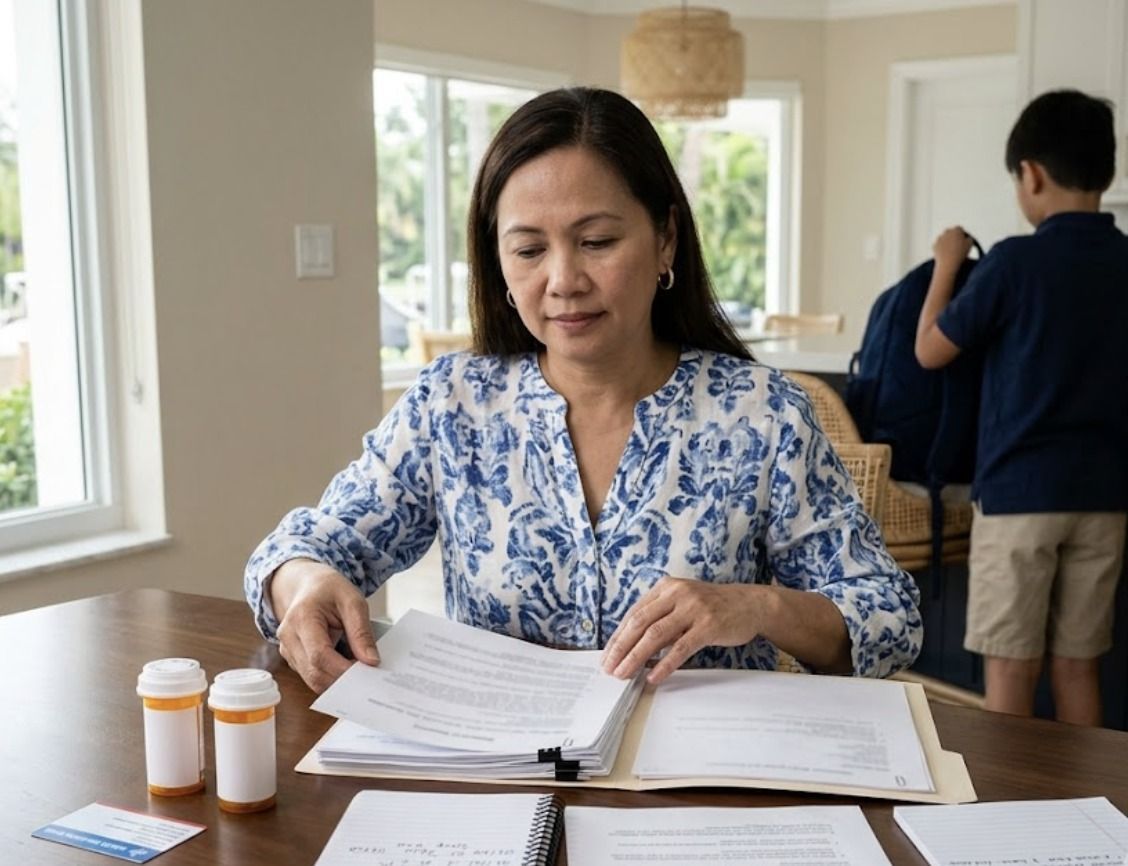
Parents do not need to arrive with a diagnosis. A few notes and relevant records can help the clinician better understand the concern.
Consider bringing:
- Insurance information and identification
- A current medication and supplement list
- Relevant medical records
- Previous psychological or developmental evaluations
- School reports or teacher observations
- Notes about when the concern began
- A list of questions
- Information about major recent changes
You may also track symptoms for several days. Useful details can include sleep, appetite, mood, school attendance, physical complaints, emotional episodes, and possible triggers.
Do not delay an appointment just to complete a detailed record. Contact a provider sooner if the concern is persistent, disruptive, or worsening.
Prepare your child in simple language. Explain that the provider will ask how things have been going and that the visit is not a punishment. Let your child know there are no perfect answers and that honesty will help the clinician understand what support may be useful.
The information gathered during the visit will guide the next step, which may differ for each patient.
What Happens After the Assessment?
At the end of the appointment, the clinician may explain what was identified, what remains unclear, and what options are available.
Possible recommendations include:
- Monitoring symptoms
- Scheduling a follow-up visit
- Improving sleep or daily routines
- Requesting school support
- Parent coaching
- Counseling or psychotherapy
- Developmental services
- Additional medical testing
- Discussing medication when appropriate
- Referral to a psychologist, psychiatrist, therapist, neurologist, or developmental specialist
Not every behavioral health assessment leads to a diagnosis or medication. Some concerns may improve with school accommodations, family support, counseling, changes in routine, or treatment of an underlying medical condition.
Other patients may need care from more than one professional. The Substance Abuse and Mental Health Services Administration encourages families to ask questions, understand available care options, and take part in decisions about mental health and substance use services.
Follow-up is often important. Symptoms, development, school demands, and family circumstances can change over time. A clinician may need to review whether the plan is helping or whether another evaluation is needed.
Most concerns can be addressed through a scheduled visit, but certain warning signs require immediate action.
When Behavioral Health Concerns Need Urgent Help
A routine office appointment is not appropriate when someone may be in immediate danger.
Call 911 or go to the nearest emergency department if a person:
- Has attempted suicide
- Has an active plan or intent to harm themselves
- Has immediate intent to harm another person
- Becomes dangerously aggressive
- Has taken or may have taken an overdose
- Experiences severe confusion or unsafe hallucinations
- Cannot be kept safe by family members
Do not rely on an online contact form, voicemail, or future appointment during an emergency. A questionnaire also cannot replace an urgent safety evaluation.
For concerns that are not immediate emergencies, a local pediatric or primary care clinician can help families decide what type of support is appropriate.
Behavioral Health Support for Fort Lauderdale Families
Discussing emotional or behavioral concerns may feel easier when the provider already considers the patient’s physical health, development, and family circumstances.
Manor Plaza Pediatric & General Medicine provides pediatric care, adult general medicine, behavioral health consultations, developmental services, physicals, vaccinations, and sick visits for Fort Lauderdale families.
Parents can discuss concerns about mood, attention, behavior, school performance, or developmental progress in a familiar medical setting. Adult patients can also seek general medical and behavioral health support through the practice.
Manor Plaza welcomes walk-ins and offers scheduled visits. The practice accepts insurance and offers cash-pay options. Families should call the office to confirm current availability, coverage, costs, and any records needed for a behavioral health appointment.
This local approach gives families a practical first point of contact when they are unsure what kind of care to request.
Schedule a Behavioral Health Assessment in Fort Lauderdale
A behavioral health assessment can help families understand changes in mood, attention, behavior, development, or daily functioning. It may include a clinical interview, medical history, observation, safety questions, and an age-appropriate screening tool.
The assessment does not assume that a diagnosis has already been made. It helps the clinician review the full picture, including physical health, school performance, relationships, family circumstances, and the effect of symptoms on daily life.
Parents do not need to have all the answers before scheduling a visit. Sharing what you have noticed is enough to begin.
To discuss behavioral or developmental concerns, request an appointment with Manor Plaza Pediatric & General Medicine. Fort Lauderdale families can call the office to ask about scheduled visits, walk-in availability, insurance, cash pay options, and what to bring.
Frequently Asked Questions About Behavioral Health Assessments
The following answers address common questions families have before scheduling an assessment.
1. What is included in a behavioral health assessment?
A behavioral health assessment may include a review of symptoms, medical history, development, physical health, family circumstances, school or work functioning, relationships, safety, and daily routines.
The clinician may also use an age-appropriate questionnaire or screening tool. The exact process depends on the patient’s age and the reason for the visit.
2. Is a mental health screening the same as a diagnosis?
No. A mental health screening identifies possible concerns that may require further review.
A diagnosis requires a broader clinical evaluation by a qualified healthcare or mental health professional. A screening result should not be used by itself to confirm a condition.
3. Can a pediatrician perform a behavioral health assessment?
A pediatrician or primary care clinician can often provide the first assessment. The provider can review symptoms, development, medical history, physical health, school concerns, and family circumstances.
The clinician may provide follow-up care or refer the patient to a therapist, psychologist, psychiatrist, developmental specialist, or another professional.
4. Should I bring information from my child’s school?
School information can be useful when the concern involves attention, learning, attendance, classroom behavior, or social interaction.
Parents may bring teacher notes, report cards, attendance records, school evaluations, or relevant education plans. These records can help the clinician see whether the concern occurs across different settings.
5. Does every behavioral health assessment lead to medication?
No. Recommendations depend on the patient’s symptoms, age, health, safety, preferences, and clinical findings.
Possible next steps may include monitoring, counseling, parent guidance, school support, routine changes, developmental services, treatment of a physical condition, specialist referral, or medication when medically appropriate.
Guerlyne Desir, FNP-BC
Guerlyne Desir, FNP-BC, is a board-certified Family Nurse Practitioner at Manor Plaza Pediatric & General Medicine in Fort Lauderdale, FL. She provides compassionate care for children, adults, and families, with a focus on preventive health, routine checkups, and accessible primary care. She is licensed in Florida as an Advanced Practice Registered Nurse and holds Family Nurse Practitioner certifications through AANP and ANCC.