

ADHD Treatment for Kids in Fort Lauderdale: 5 Early Signs

Reviewed By: Guerlyne Desir, FNP-BC
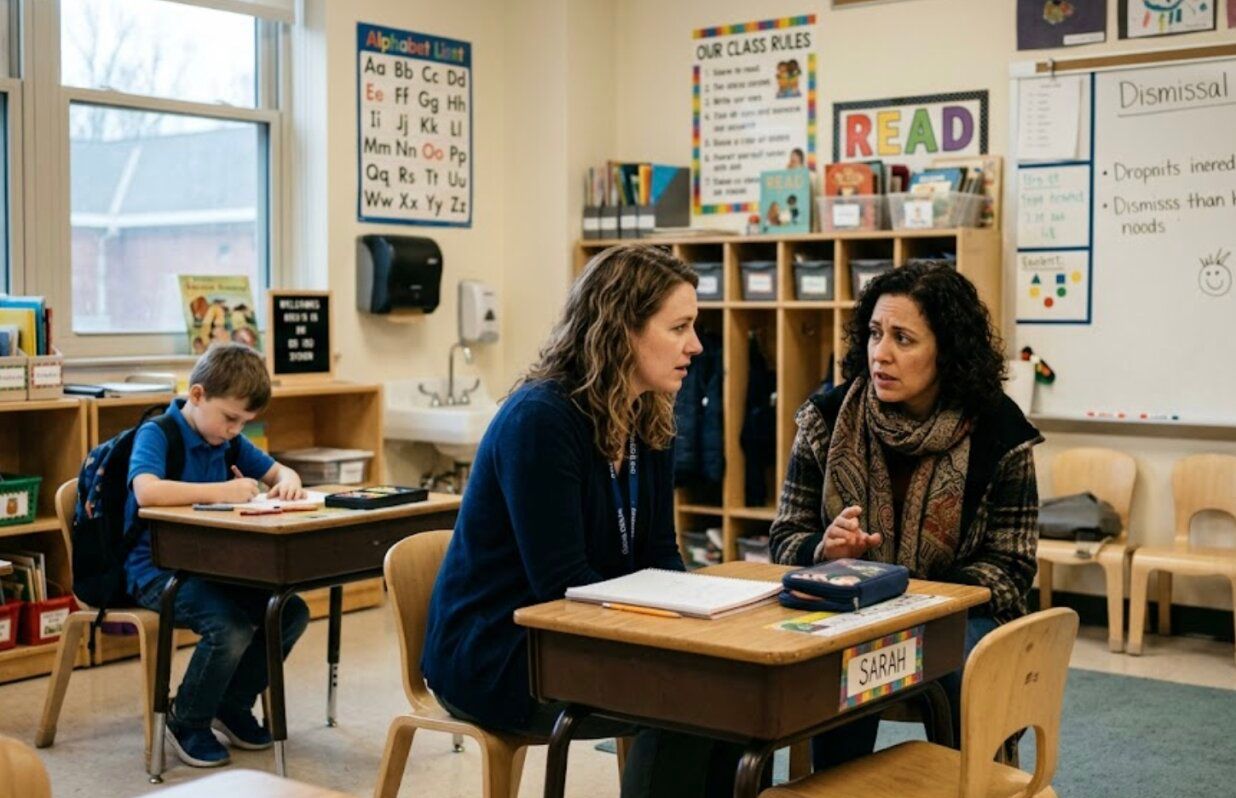
A teacher pulls you aside after school. “Your child is bright,” she says quietly, “but staying focused has become really hard lately.”
You already knew something was wrong.
Homework that should take 20 minutes turns into two hours. Your child forgets simple instructions, interrupts conversations, gets frustrated fast, and somehow loses everything from pencils to backpacks. At first, it may look like normal childhood behavior. Then the calls from school keep coming, and honestly, things start feeling heavier at home too.
ADHD treatment for kids can help children who struggle with attention, impulse control, emotional regulation, and hyperactivity. The earlier you recognize the signs, the sooner your child can get support that actually helps. ADHD is not about laziness, poor parenting, or a child “being difficult.” It is a medical condition that affects how the brain processes attention, behavior, and self-control.
What You’ll Learn From This Article
- Five early ADHD signs parents often miss
- How ADHD symptoms may appear differently at home and school
- Why early diagnosis matters
- Common ADHD treatment options for kids
- How parents can support children at home
- When to schedule a pediatric evaluation
Understanding ADHD in Children
Many parents hear the word ADHD but are not fully sure what it actually means. Before discussing symptoms, it helps to understand how ADHD affects a child’s daily life.
What Is ADHD?
Attention-Deficit/Hyperactivity Disorder, commonly called ADHD, is a neurodevelopmental condition that affects focus, behavior regulation, organization, and impulse control.
Healthcare providers generally divide ADHD into three presentations:
| ADHD Type | Common Signs |
|---|---|
| Predominantly Inattentive | Distracted easily, forgetful, trouble focusing |
| Predominantly Hyperactive-Impulsive | Constant movement, impulsive behavior, excessive talking |
| Combined Presentation | Symptoms of both inattentive and hyperactive ADHD |
Some children mainly struggle with attention. Others cannot sit still or control impulsive behavior. Many children show both patterns at the same time.
Research published in the European Child & Adolescent Psychiatry Journal explains that ADHD involves measurable differences in executive functioning and early childhood development. Researchers found that behavioral and developmental markers may appear years before a formal diagnosis is made.
Another review published in Neurodiversity Journal reinforced that ADHD is a medically recognized neurodevelopmental condition, not a parenting issue or discipline problem. Researchers discussed how brain pathways involving dopamine and executive functioning contribute to symptoms like impulsivity, poor concentration, and hyperactivity.
How Common Is ADHD in Children?
ADHD is one of the most common neurodevelopmental conditions diagnosed in children across the United States.
According to the CDC, millions of children currently live with ADHD. Symptoms often begin during preschool or elementary school years, although some children do not receive evaluation until school demands become harder to manage.
Parents often notice problems long before a diagnosis happens. A child may struggle socially, emotionally, or academically for years before someone connects the dots.
A report from the Centers for Disease Control and Prevention Morbidity and Mortality Weekly Report found that ADHD diagnosis rates have increased steadily over time in the United States. Researchers noted that greater awareness among healthcare providers, schools, and parents may contribute to earlier identification.
Why Early Detection Matters
Early diagnosis matters because untreated ADHD can affect much more than grades.
Children with unmanaged ADHD may experience:
- Low self-esteem
- School difficulties
- Friendship problems
- Emotional outbursts
- Family stress
- Increased behavioral concerns
The European Child & Adolescent Psychiatry study on early ADHD markers found that developmental concerns may appear long before formal diagnosis. Researchers observed patterns involving delayed executive functioning, emotional regulation difficulties, and early behavioral challenges in some children later diagnosed with ADHD.
Early Sign #1: Trouble Paying Attention

Parents often notice attention problems first. These moments may seem small at the beginning, but patterns usually become easier to spot over time.
Difficulty Staying Focused on Tasks
Your child may sit down for homework, then stare out the window five minutes later. You repeat instructions several times, but somehow nothing gets finished.
Children with ADHD often struggle to maintain focus during:
- Homework
- Conversations
- Chores
- Classroom activities
- Reading assignments
Teachers sometimes describe these children as “daydreamers” or say they appear disconnected during class.
Frequent Forgetfulness
Forgetfulness becomes more noticeable when it happens every day.
You may see your child:
- Losing school supplies constantly
- Forgetting homework
- Missing simple instructions
- Leaving belongings everywhere
- Forgetting routines they already know
This behavior is linked to executive functioning difficulties, which affect memory, planning, and organization.
How Inattention Affects School Performance
Many children with ADHD understand the material being taught. The issue is not intelligence. The problem is maintaining focus long enough to complete tasks consistently.
Parents often say things like:
“I know my child is smart, but the grades do not reflect it.”
That disconnect can become one of the biggest early warning signs.
Research discussed in the Neurodiversity Journal on ADHD treatment and neurodevelopment explained that executive functioning deficits directly affect school performance in children with ADHD. The review noted that children may struggle with working memory, task completion, sustained attention, and emotional self-control inside classroom settings.
Early Sign #2: Hyperactivity That Feels Excessive

Kids naturally have energy. ADHD-related hyperactivity usually feels more intense, more frequent, and harder to control.
Constant Movement and Restlessness
Some children seem physically unable to slow down.
You may notice:
- Constant fidgeting
- Running indoors repeatedly
- Climbing excessively
- Difficulty sitting during meals
- Leaving seats constantly in class
The behavior continues even when the environment requires calm attention.
Talking Excessively or Interrupting Others
Hyperactivity is not always physical. Some children show it verbally.
Your child may:
- Interrupt conversations
- Blurt out answers
- Speak nonstop
- Talk over classmates or siblings
This can create social tension, especially in classrooms where structure matters.
Understanding the Difference Between Normal Energy and ADHD
Every child gets excited sometimes. ADHD symptoms become concerning when they:
- Last longer than six months
- Appear in multiple settings
- Affect school or relationships
- Disrupt daily routines consistently
Pediatric providers look at patterns, not isolated moments.
The CDC ADHD resource page explains that healthcare providers evaluate ADHD symptoms based on persistence, severity, and impact on daily life. The CDC also notes that symptoms must appear in more than one setting, such as home and school, before diagnosis is considered.
Early Sign #3: Impulsive Behavior and Emotional Outbursts

ADHD can affect emotional control just as much as attention.
Acting Without Thinking
Impulsivity often causes children to react immediately without considering consequences first.
You may notice:
- Interrupting games
- Grabbing things suddenly
- Difficulty waiting turns
- Unsafe behavior
- Blurting things out at inappropriate times
Children usually are not trying to misbehave. Their brains struggle with pause and self-regulation.
Emotional Regulation Challenges
Small frustrations can quickly become big emotional reactions.
A simple correction or minor disappointment may trigger:
- Meltdowns
- Sudden anger
- Crying spells
- Intense frustration
- Emotional shutdowns
Honestly, this part can become exhausting for parents because the reactions feel unpredictable.
Social Impact of Impulsivity
Children with ADHD sometimes struggle socially because impulsive behavior affects friendships.
Other children may become frustrated when someone interrupts constantly, reacts emotionally, or dominates conversations. Over time, repeated social struggles can hurt confidence.
The European Child & Adolescent Psychiatry discussed how emotional regulation difficulties may appear early in children later diagnosed with ADHD. Researchers found that impulsive reactions and emotional instability can affect peer relationships, classroom behavior, and family interactions.
Early Sign #4: Developmental or Behavioral Delays

Some ADHD signs show up through developmental patterns rather than obvious hyperactivity.
Delayed Executive Function Skills
Executive functioning helps children organize tasks, follow instructions, manage time, and regulate behavior.
Children with ADHD may struggle with:
- Planning ahead
- Multi-step instructions
- Organization
- Time management
- Completing tasks independently
These challenges often become more noticeable once school routines become stricter.
Possible Early Motor or Developmental Signs
Research has connected certain developmental delays with later ADHD symptoms.
Some children may show:
- Mild coordination difficulties
- Delayed motor skills
- Behavioral concerns early in childhood
These signs alone do not confirm ADHD, but they may support the need for evaluation.
Researchers observed that some children showed early coordination challenges and delayed self-regulation skills before attention problems became more obvious academically.
Why Developmental Monitoring Matters
ADHD sometimes overlaps with other conditions, including:
- Anxiety
- Learning disorders
- Speech delays
- Autism spectrum disorder
- Behavioral disorders
Early developmental monitoring helps pediatric providers identify concerns sooner and create more accurate treatment plans.
Early Sign #5: Struggles Across Multiple Environments

ADHD symptoms rarely stay limited to one place.
Symptoms at School and Home
A teacher may notice concentration problems in class while parents notice emotional outbursts at home.
Consistency across multiple environments is important because it helps distinguish ADHD from temporary stress or isolated behavioral issues.
Academic and Social Difficulties
Children with untreated ADHD may begin struggling socially and academically over time.
Common concerns include:
- Falling grades
- Behavioral reports from school
- Trouble following routines
- Difficulty making friends
- Avoiding schoolwork
Parents sometimes blame themselves first. That happens a lot, actually. In many cases, the child simply needs proper evaluation and support.
When Persistent Patterns Become a Concern
Healthcare providers evaluate whether symptoms:
- Last at least six months
- Affects daily functioning
- Interfere with school performance
- Impact on emotional or social development
Persistent symptoms deserve medical attention, especially when multiple environments are affected.
The CDC ADHD diagnostic guidelines page explains that an ADHD diagnosis requires symptoms to appear consistently across two or more settings. Researchers and clinicians use this criteria because children with ADHD typically show difficulties both at home and at school.
What Causes ADHD in Children?
Researchers continue learning more about ADHD and brain development. Current evidence strongly supports biological and neurological causes.
Brain Development and Neurobiology
ADHD affects brain systems linked to dopamine, executive functioning, attention regulation, and impulse control.
The Neurodiversity Journal review on ADHD neurobiology and treatment explained that dopamine signaling pathways play an important role in ADHD symptoms. Researchers discussed how differences in executive functioning networks may affect planning, emotional control, memory, and sustained attention.
Genetic and Family Factors
Genetics plays a significant role in ADHD risk.
Children with family members who have ADHD may have a higher chance of developing similar symptoms themselves.
Environmental and Prenatal Influences
Researchers continue studying additional contributing factors, including:
- Premature birth
- Low birth weight
- Prenatal substance exposure
- Pregnancy complications
These factors may increase risk, although they do not directly cause ADHD on their own.
How ADHD Is Diagnosed in Children
Diagnosis involves much more than a quick checklist. Pediatric evaluation should look at the full picture.
Comprehensive Pediatric Evaluation
Providers typically review:
- Medical history
- Behavioral concerns
- Developmental milestones
- Parent observations
- Teacher feedback
There is no single blood test or scan that diagnoses ADHD.
Ruling Out Other Conditions
Several conditions can mimic ADHD symptoms, including:
- Anxiety
- Sleep disorders
- Learning disabilities
- Hearing problems
- Vision concerns
A careful evaluation helps avoid misdiagnosis.
Why Accurate Diagnosis Is Important
The right diagnosis helps create the right treatment plan.
Children who receive proper support earlier often experience better academic, emotional, and behavioral outcomes over time.
The CDC ADHD diagnosis resource explains that ADHD evaluation should include input from parents, teachers, and healthcare providers. The diagnostic process also involves reviewing developmental history and symptom duration carefully.
ADHD Treatment Options for Kids in Fort Lauderdale

Treatment plans should match the child, not just the diagnosis.
Behavioral Therapy and Parent Support
Behavioral therapy helps children improve routines, emotional regulation, and coping skills.
Parents also benefit from practical strategies that help reduce conflict at home.
School Support and Academic Accommodations
School support can make a major difference.
Children with ADHD may benefit from:
- Structured classroom seating
- Extra time on assignments
- Behavioral support plans
- 504 Plans
- Individualized Education Programs (IEPs)
Strong communication between parents, teachers, and pediatric providers helps children stay supported consistently.
Medication Management
Some children benefit from stimulant or non-stimulant medications prescribed under medical supervision.
Treatment decisions should consider:
- Age
- Symptom severity
- Medical history
- Emotional health
- Response to behavioral therapy
Evidence supports combining behavioral support with medical management when appropriate.
The Neurodiversity Journal ADHD treatment review discussed how evidence-based treatment plans often combine behavioral therapy, family support, school accommodations, and medication when medically appropriate. Researchers emphasized that treatment should be individualized because symptoms and severity differ from child to child.
The CDC Morbidity and Mortality Weekly Report on ADHD trends highlighted the importance of coordinated care for children diagnosed with ADHD. Researchers observed that many children benefit from combining medical care with behavioral health support and school involvement.
Developmental and Behavioral Health Services
Behavioral health support may help children strengthen:
- Emotional regulation
- Social skills
- Coping strategies
- Behavioral control
Ongoing developmental monitoring also helps providers track progress over time.
How Parents Can Support a Child With ADHD at Home
Daily habits at home can support treatment progress in meaningful ways.
Creating Structured Daily Routines
Children with ADHD often do better with predictable routines.
Helpful strategies include:
- Consistent bedtime schedules
- Visual calendars
- Clear instructions
- Organized homework areas
Simple structure can reduce daily frustration quite a bit.
Encouraging Positive Reinforcement
Children with ADHD respond better to encouragement than constant punishment.
Focus on:
- Praising effort
- Recognizing improvement
- Rewarding positive behavior consistently
Small wins matter.
Supporting Emotional Well-Being
Repeated criticism can damage confidence over time.
Help support your child emotionally by:
- Avoiding shame-based discipline
- Encouraging healthy friendships
- Recognizing strengths
- Staying calm during difficult moments
Kids notice more than adults realize sometimes.
Why Early ADHD Treatment Can Make a Difference
Early ADHD treatment for kids may improve concentration, emotional regulation, classroom participation, and social development.
Children who receive support earlier often build healthier coping skills that continue into adulthood. Families also experience less daily stress once they better understand what their child is dealing with.
Consistent pediatric follow-up helps treatment plans adjust as children grow and their needs change.
ADHD Care for Families in Fort Lauderdale
Manor Plaza Pediatric & General Medicine provides family-centered pediatric and behavioral care for children experiencing ADHD symptoms and developmental concerns.
Services may include:
- Behavioral health support
- Developmental evaluations
- Pediatric monitoring
- Physicals
- Ongoing follow-up care
The goal is to help your child feel more confident, supported, and successful at home, socially, and in school.
FAQs
1. What are the first signs that may require ADHD treatment for kids?
Early signs may include difficulty focusing, forgetfulness, impulsive behavior, excessive movement, emotional outbursts, and trouble following routines consistently across school and home environments.
2. At what age should parents consider ADHD treatment for kids?Title or Question
Some children show symptoms during preschool years, although diagnosis often happens during elementary school when attention and behavior problems become more noticeable academically.
3. How can parents tell if a child needs ADHD treatment for kids instead of normal discipline?
Normal childhood behavior happens occasionally. ADHD symptoms stay consistent, affect multiple environments, and interfere with school performance, emotional regulation, and daily functioning for at least six months
4. What options are available for ADHD treatment for kids in Fort Lauderdale?
Treatment may include behavioral therapy, school accommodations, parent coaching, structured routines, developmental monitoring, and medication management when medically appropriate.
5. When should parents seek professional ADHD treatment for kids?
Parents should schedule an evaluation when symptoms begin affecting grades, friendships, emotional health, family routines, or behavior consistently over time.
Final Words
ADHD symptoms often appear earlier than many parents realize. Trouble focusing, hyperactivity, impulsive behavior, emotional outbursts, developmental concerns, and struggles across multiple environments can all point toward ADHD.
Early evaluation helps children access treatment, behavioral support, and school accommodations sooner. That support can improve academic performance, emotional health, and daily family life.
If your child struggles with focus, impulsive behavior, emotional regulation, or persistent school concerns, schedule an evaluation with Manor Plaza Pediatric & General Medicine in Fort Lauderdale to discuss personalized ADHD treatment for kids and developmental support options.
Guerlyne Desir, FNP-BC
Guerlyne Desir, FNP-BC, is a board-certified Family Nurse Practitioner at Manor Plaza Pediatric & General Medicine in Fort Lauderdale, FL. She provides compassionate care for children, adults, and families, with a focus on preventive health, routine checkups, and accessible primary care. She is licensed in Florida as an Advanced Practice Registered Nurse and holds Family Nurse Practitioner certifications through AANP and ANCC.